

Forbidden City
About This Attraction
-
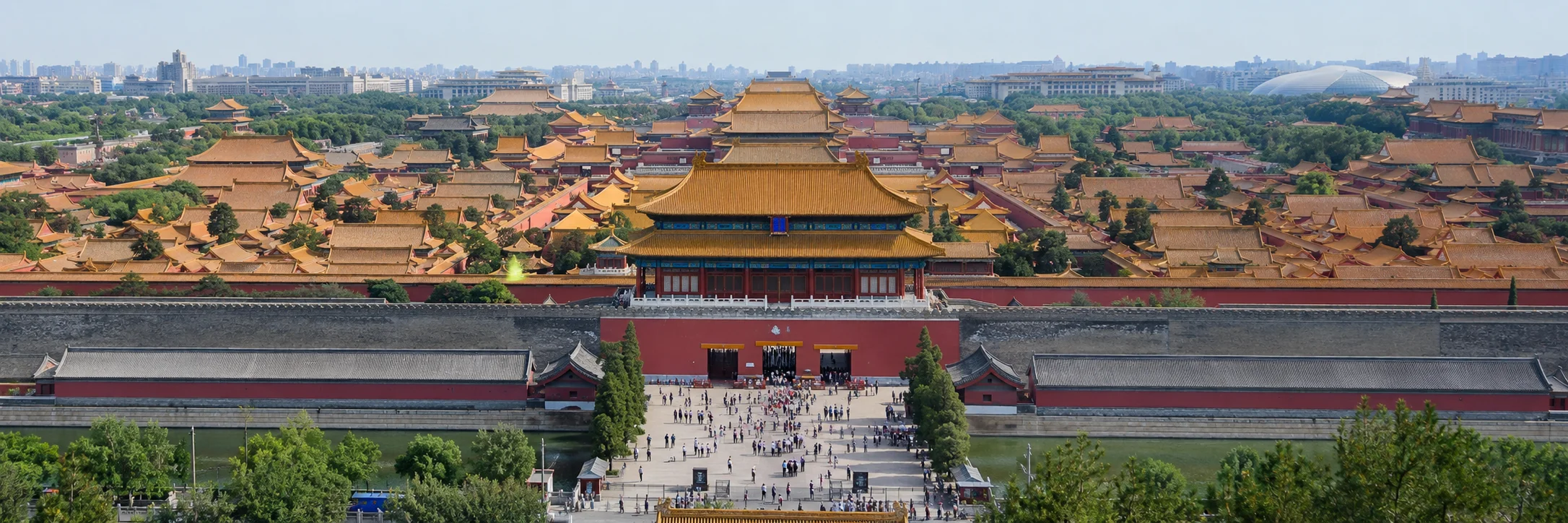
Architecture And Design: The Forbidden City Is A Stunning Example Of Traditional Chinese Palatial Architecture, With Buildings Designed To Represent The Emperor’s Supreme Power And The Order Of The Universe. The Layout Follows A Strict North-south Axis, Symbolizing The Emperor’s Position As The "Son Of Heaven." The Buildings Are Constructed Using Wood And Stone, With Intricate Carvings, Golden Accents, And Traditional Red And Yellow Colors—symbolizing Wealth And Power.
-
Main Structures: The Complex Is Divided Into Two Main Sections:
-
Outer Court: This Area Was Used For Ceremonial Purposes And Includes The Hall Of Supreme Harmony, The Largest And Most Important Building, Where Major Imperial Ceremonies Such As The Emperor's Enthronement And Official Ceremonies Were Held.
-
Inner Court: This Area Was Reserved For The Emperor And His Family, Including Living Quarters, Gardens, And Private Spaces. It Includes The Empress’s Palace And The Palace Of Heavenly Purity.
-
-
The Imperial Gardens: Located In The Inner Court, The Gardens Are Designed In A Traditional Chinese Style, With Beautiful Pavilions, Rockeries, And Ancient Trees. The Garden Was Used By The Emperor And His Family For Relaxation And Reflection.
-
Imperial Relics And Artifacts: The Forbidden City Houses An Incredible Collection Of Art, Including Paintings, Calligraphy, Ceramics, And Imperial Treasures. The Palace Museum, Which Now Occupies The Forbidden City, Is Home To More Than A Million Pieces Of Chinese Artwork, Making It One Of The Largest And Most Important Museums In The World.
-
Forbidden Walls And Moat: The Name "Forbidden City" Refers To The Fact That Common People Were Not Allowed To Enter The Palace Without Special Permission. The Complex Is Surrounded By A wall And A moat, Which Served As Both Protective Barriers And Symbols Of The Emperor’s Power And Authority.
Experience Details
Plan Your China Trip
Continue your planning with visa information and related travel guides.