



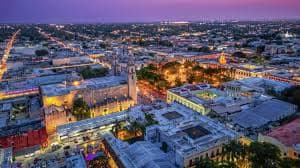







Mérida, the capital city of the Yucatán state in southeastern Mexico, is a captivating blend of colonial charm and Mayan heritage, making it one of the most culturally rich cities in the country. Known as the "White City" due to its pristine white colonial buildings, Mérida is a city that offers a deep dive into the past while embracing a modern and vibrant atmosphere. Located just a short distance from both the Gulf of Mexico and the famous Mayan ruins of Chichen Itza and Uxmal, Mérida is not only a cultural center but also a gateway to the Yucatán Peninsula's fascinating history and natural beauty.
At the heart of Mérida is its historic center, a vibrant area filled with colonial-era architecture, narrow cobblestone streets, and plazas lined with tree-shaded cafes and restaurants. The Plaza Principal or Plaza de la Independencia, surrounded by impressive buildings like the Catedral de la Mérida and the Palacio de Gobierno, is the focal point of the city. The Catedral, built in the 16th century, is one of the oldest in the Americas and stands as a testament to the city’s colonial past, with its imposing structure made from stone taken from ancient Mayan ruins.
Mérida’s Mayan roots are an integral part of its identity. The city was built on the site of an ancient Mayan settlement called T’hó. Today, visitors can explore the remains of these Mayan ruins, such as the Cenote X’batún and the Mayan archaeological sites of Dzibilchaltún and Uxmal, which are located just outside the city. Mérida also serves as a base for exploring the Cenotes, natural sinkholes that were sacred to the ancient Mayans and are scattered throughout the Yucatán Peninsula.
The city is renowned for its rich cultural scene, with a variety of festivals and events that celebrate both Mayan traditions and Spanish influences. One of the most famous events is the Cultural Festival of Mérida, a month-long celebration of music, dance, theater, and art that takes place each year in January. Mérida also celebrates Hanal Pixán, the Mayan version of the Day of the Dead, with vibrant altars, processions, and traditional food offerings that honor deceased loved ones.
In addition to its colonial heritage, Mérida has become a modern hub for art and creativity. The city boasts a growing art scene, with galleries and museums showcasing contemporary art, photography, and regional crafts. The Museo Casa de Montejo, a former colonial mansion, now houses exhibits about the history of the region. The Museo de Arte Contemporáneo Ateneo de Yucatán is another important cultural space that highlights the work of both local and international artists. Handicrafts such as guayaberas (traditional shirts), rebozos (shawls), and embroidered textiles can be found in the city’s many artisan markets, most notably the Mercado de Artesanías.
Mérida’s gastronomy is one of its most celebrated features. The city is known for its distinctive Yucatecan cuisine, which blends Mayan, Spanish, and Caribbean influences. Dishes like cochinita pibil (slow-cooked pork with achiote), sopa de lima (lime soup), and panuchos (tortillas stuffed with beans and topped with meats) are staples in local restaurants and street food stalls. The Mercado Lucas de Gálvez is a bustling market where visitors can taste and purchase local produce, spices, and traditional Yucatán specialties. The city's food scene is also evolving with modern eateries offering a fusion of international and Yucatecan flavors.
Mérida’s nightlife is lively and diverse, ranging from traditional Mayan music performances in the plazas to modern bars and lounges. The Paseo de Montejo, an elegant avenue lined with mansions and monuments, comes alive in the evening with outdoor cafes and street vendors. Every weekend, the city’s central square hosts cultural events, including traditional dances, music performances, and public celebrations, creating an inviting atmosphere for both locals and tourists.
For nature enthusiasts, Mérida is conveniently located near a variety of outdoor attractions. The Cenotes—natural sinkholes filled with crystal-clear water—are a short drive away and offer opportunities for swimming, diving, and exploration. The Ría Lagartos Biosphere Reserve, a short distance from the city, is home to a wide variety of wildlife, including flamingos and other bird species, and offers a unique eco-tourism experience. The nearby Celestún Biosphere Reserve is known for its mangrove forests and flamingo colonies.
Mérida is also known for its mild climate, with warm temperatures year-round, making it an appealing destination for those looking to escape colder regions. While summers can be hot, the city's location near the coast means there is often a pleasant breeze, and the evenings tend to cool down, offering a comfortable climate for outdoor dining and socializing.
In summary, Mérida is a city that perfectly combines the old and the new, offering visitors a chance to experience Mexico’s rich colonial history and indigenous heritage, while also embracing modern culture, art, and culinary innovation. Its welcoming atmosphere, rich cultural offerings, and proximity to natural wonders make it one of the most compelling destinations in Mexico.
Just follow us on social media, where stories unfold,
Stay with us for moments worth their weight in gold.










SCAN ME

With SECP and FBR registrations, we bring unparalleled expertise to every journey.
Call UsRepresentatives working worldwide ensure a seamless experience wherever you go.
Call UsCustomized tours for Pharmaceuticals, Home Appliances, and Pesticides industries.
Call UsCzech Republic 2-Year Employee Card


Czech Employer Card For 2 Years. Call Us Now for More Details