



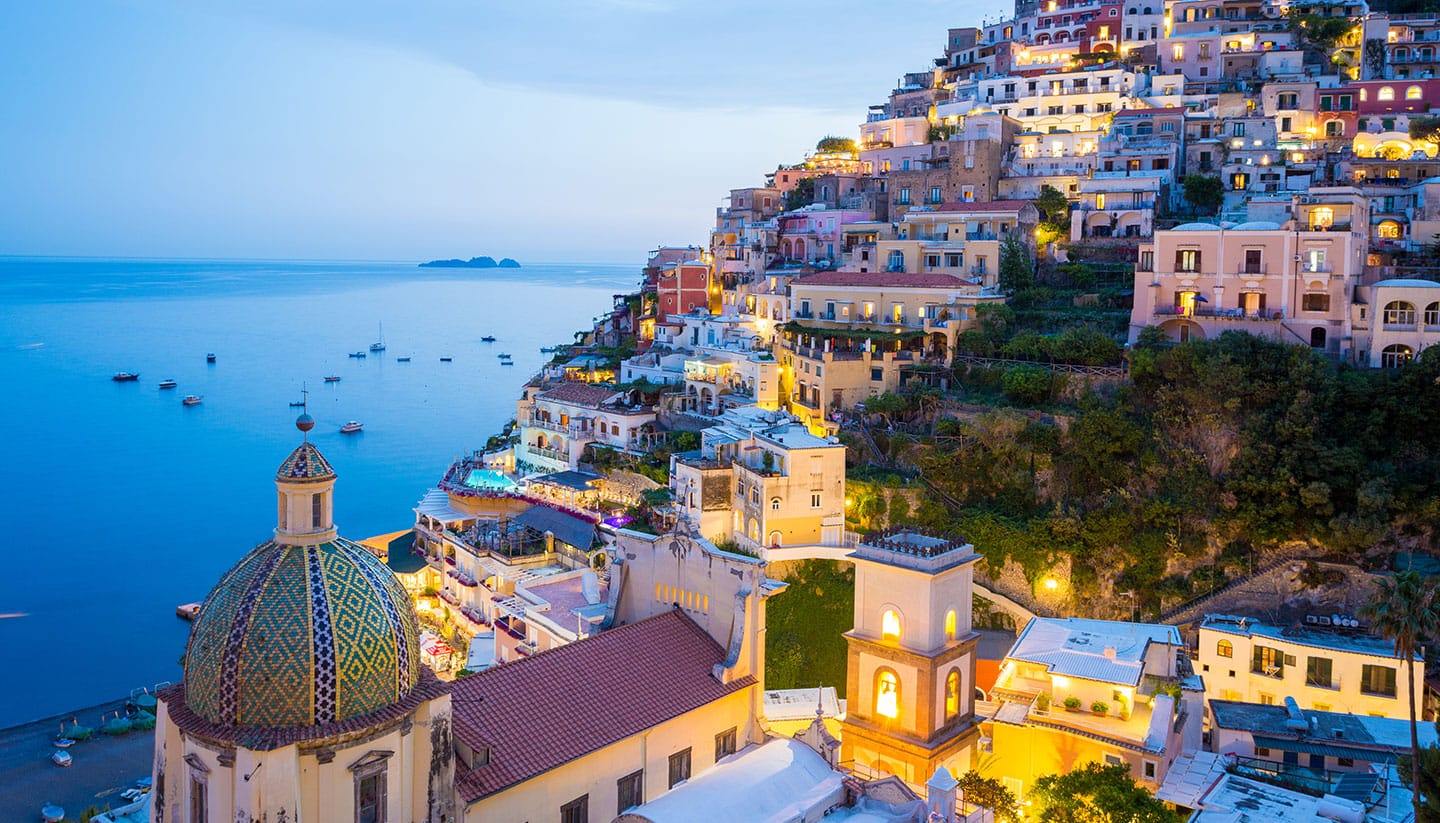







Naples, located in the Campania region of southern Italy, is a city with a deep historical, cultural, and culinary heritage, offering a blend of ancient traditions, vibrant street life, and stunning natural beauty. It is situated along the Bay of Naples, with views of the iconic Mount Vesuvius, one of the most famous active volcanoes in the world, and the Amalfi Coast just a short distance away. Naples is often considered the gateway to the Roman Empire's ancient ruins, as it lies in close proximity to the historical sites of Pompeii and Herculaneum, both of which were buried by the catastrophic eruption of Mount Vesuvius in AD 79.
Naples is known for its rich history, dating back over 2,800 years. The city has seen the influence of many civilizations, including the Greeks, Romans, Normans, and Spanish, all of which have left their mark on its architecture, culture, and customs. The Historic Centre of Naples, a UNESCO World Heritage site, is one of the largest of its kind in Europe, with narrow streets, historic churches, and vibrant squares that showcase the city’s long and layered history.
One of the most famous landmarks in Naples is the Royal Palace of Naples (Palazzo Reale), a historic palace that was once the residence of Spanish and later French and Italian royalty. The palace’s grand architecture and panoramic views of the city and bay make it a must-visit. Nearby, the Naples National Archaeological Museum houses an extensive collection of artifacts from Pompeii and Herculaneum, providing insight into daily life during the Roman Empire.
The Castel dell'Ovo, located along the seafront, is another iconic structure in the city. This medieval fortress, with its stunning views of the Gulf of Naples, is a symbol of the city’s historical significance as a naval and trading center. The Castel Nuovo (Maschio Angioino), a large medieval castle, and the Certosa di San Martino, a former monastery with breathtaking views, are additional landmarks that reflect the city’s rich history.
Naples is perhaps best known worldwide for being the birthplace of pizza. The original Neapolitan pizza, with its thin crust, simple yet flavorful toppings, and fresh mozzarella cheese, has been recognized by UNESCO as an intangible cultural heritage. The city's pizzerias, particularly those in the Spaccanapoli district, offer some of the best pizza in the world. Pizza Margherita, made with tomatoes, mozzarella, basil, and olive oil, is a local specialty, named after Queen Margherita of Savoy. Alongside pizza, Naples is also known for its delicious sfogliatella (a shell-shaped pastry filled with ricotta and candied fruit) and babà (a rum-soaked sponge cake).
The city’s vibrant street life is another hallmark of Naples. The bustling Via Toledo, with its shops, restaurants, and cafes, is a lively area for both locals and visitors. The Spaccanapoli, a narrow street that cuts through the heart of the historic center, is lined with churches, bakeries, and small shops, offering a glimpse into the daily life of Neapolitans. The city is also famous for its markets, such as the Mercato di Poggioreale, where you can find fresh produce, fish, and a variety of local products.
Naples is home to one of the oldest opera houses in the world, the Teatro di San Carlo, which has hosted famous opera singers and composers since its opening in 1737. The theater’s lavish interior and stunning acoustics make it a cultural gem. Teatro Augusteo and Teatro Bellini are also popular venues for performances, adding to the city’s lively cultural scene.
The Vesuvius volcano looms large over Naples, offering visitors the chance to hike to the summit for a panoramic view of the city, the bay, and the surrounding countryside. The Vesuvius National Park also offers hiking trails, wildlife, and educational exhibits about the volcano’s history and the eruptions that have shaped the area. The nearby ruins of Pompeii and Herculaneum are two of the most well-preserved ancient cities in the world, providing a fascinating look at daily life in Roman times. These archaeological sites are among Italy’s top tourist attractions.
Naples is also famous for its coastal scenery and beautiful beaches, such as Posillipo and Mergellina, where visitors can relax by the sea and enjoy views of the bay and the distant island of Capri. The Amalfi Coast, with its picturesque villages, cliffside views, and crystal-clear waters, is easily accessible from Naples, making it a popular destination for day trips.
The city is an important transportation hub in southern Italy, with the Naples Central Station (Stazione Centrale) offering connections to other major cities like Rome, Florence, and Milan via high-speed trains. Naples International Airport (Capodichino) provides domestic and international flights, further enhancing the city’s accessibility.
In conclusion, Naples is a city that offers an unforgettable blend of ancient history, cultural richness, delicious cuisine, and breathtaking landscapes. From exploring the ancient ruins of Pompeii to enjoying a traditional pizza or soaking in the beauty of the Bay of Naples, the city provides visitors with an authentic and vibrant Italian experience.
Just follow us on social media, where stories unfold,
Stay with us for moments worth their weight in gold.










SCAN ME

With SECP and FBR registrations, we bring unparalleled expertise to every journey.
Call UsRepresentatives working worldwide ensure a seamless experience wherever you go.
Call UsCustomized tours for Pharmaceuticals, Home Appliances, and Pesticides industries.
Call UsCzech Republic 2-Year Employee Card


Czech Employer Card For 2 Years. Call Us Now for More Details