



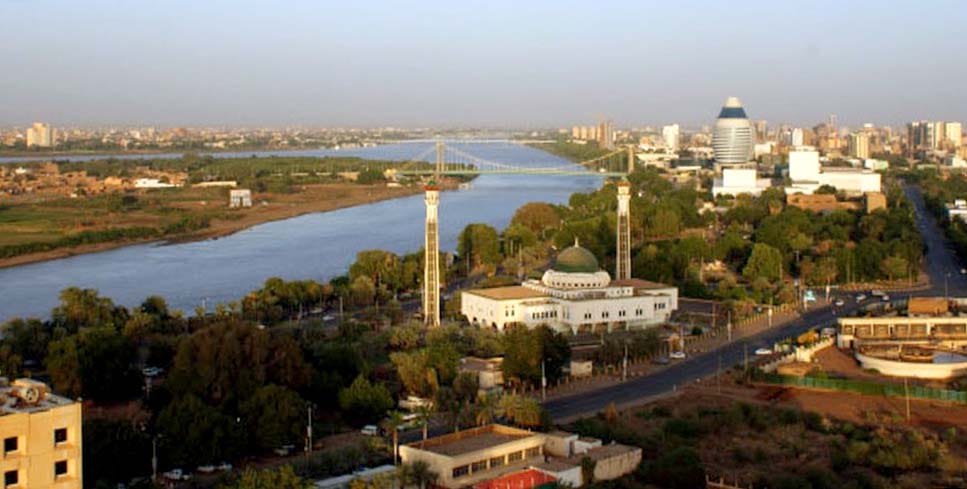







Sudan
Experience an unparalleled journey through Sudan with Varioline Traveller TRAVEL & TOURS.
Embark on an extraordinary adventure through the ancient and diverse landscapes of Sudan with Varioline Traveller Travel & Tours. Our meticulously crafted itineraries offer travelers a unique opportunity to explore the rich history, vibrant culture, and stunning natural beauty of this fascinating destination.
Whether you are interested in exploring the ancient pyramids of Meroe, experiencing the traditional Nubian way of life along the Nile River, or discovering the unspoiled beauty of the Red Sea coast, our expert guides and tailored experiences will ensure a seamless and unforgettable journey.
From luxury accommodations to private transportation and expert local guides, Varioline Traveller Travel & Tours provides the highest level of service and attention to detail to ensure that your Sudanese adventure exceeds all expectations. Contact us today to start planning your unparalleled journey through Sudan.
History of Sudan:
Sudan, located in northeastern Africa, has a rich and complex history that dates back to ancient times. The region was home to several powerful and influential civilizations, including the Kingdom of Kush, which existed from around 2500 BCE to 300 CE. The Kingdom of Kush was known for its advanced architecture, trade networks, and the building of pyramids in Nubia.
In the medieval period, the region saw the rise of Christian Nubian kingdoms such as Makuria and Alodia. These kingdoms thrived until the 13th century when Islamic influence began to spread, leading to the Islamization and Arabization of the region.
The 19th century saw the advent of Egyptian and later British control. The Mahdist War (1881–1899) was a significant uprising against foreign rule, leading to the establishment of the Mahdist State. However, in 1899, the British and Egyptians reasserted control over Sudan, leading to the Anglo-Egyptian Condominium.
Sudan gained independence on January 1, 1956. Post-independence, the country experienced political instability, civil wars, and military coups. The First and Second Sudanese Civil Wars (1955–1972 and 1983–2005) were particularly devastating, leading to significant loss of life and displacement.
In 2011, following a peace agreement, South Sudan seceded, becoming the world's newest country. Despite this, Sudan continues to face challenges, including political unrest, economic difficulties, and conflict in regions like Darfur.
Nature:
Sudan is endowed with diverse natural landscapes, ranging from deserts to savannas and fertile river valleys. The Nile River, the world's longest river, runs through Sudan, providing a vital source of water and supporting rich biodiversity.
The country's natural heritage includes:
The Red Sea Coast: Known for its coral reefs, clear waters, and marine life, making it a popular spot for diving and snorkeling.
Desert Landscapes: The Nubian and Bayuda deserts offer starkly beautiful scenery with dunes, rocky outcrops, and ancient archaeological sites.
Savannas and Grasslands: These ecosystems support a variety of wildlife, including antelopes, elephants, and diverse bird species.
Sudan also hosts several national parks and reserves, such as Dinder National Park, which is home to diverse wildlife and a key area for conservation efforts.
Geography:
Sudan is the third-largest country in Africa, bordered by Egypt to the north, the Red Sea to the northeast, Eritrea and Ethiopia to the east, South Sudan to the south, the Central African Republic to the southwest, Chad to the west, and Libya to the northwest. Its geography includes:
The Nile Valley: Dominated by the Nile River and its tributaries, providing fertile land for agriculture.
Deserts: Including the Nubian Desert in the northeast and the Bayuda Desert in the east-central region.
Mountain Ranges: Such as the Red Sea Hills near the coast and the Marrah Mountains in the west.
The climate varies from arid in the north to tropical in the south, with significant variations in rainfall and temperature.
People & Culture:
Sudan is a culturally diverse nation with a population composed of numerous ethnic groups and languages. The majority of the population is Arab or Arabized, with significant groups such as the Beja, Fur, Nubians, and various Nilotic peoples in the south.
Islam is the predominant religion, with most Sudanese practicing Sunni Islam. However, there are also Christian and indigenous religious communities, particularly in the south and among the Nuba Mountains.
Sudanese culture is rich and varied, reflecting its history and diverse population. Traditional music, dance, and art play significant roles in social and cultural life. Sudanese cuisine is influenced by Arabic, Egyptian, and African flavors, featuring dishes such as ful medames (stewed fava beans), kisra (a type of flatbread), and various meat stews.
Atmosphere:
The atmosphere in Sudan varies greatly between urban and rural areas. Cities like Khartoum, the capital, are bustling with activity, featuring markets, universities, and cultural institutions. In contrast, rural areas often have a slower pace of life, with communities engaged in agriculture, herding, and traditional crafts.
The political climate has been marked by periods of unrest and conflict, but there is also a strong sense of resilience and community among the Sudanese people. Efforts towards peace, reconciliation, and development continue to shape the nation's atmosphere.
Most Popular Places:
Khartoum:
Khartoum, the bustling capital city of Sudan, is a vibrant metropolis where the Blue and White Nile rivers converge, creating a breathtaking sight that draws visitors from near and far. This city is steeped in history and culture, with notable sites like the Sudan National Museum offering a glimpse into the rich heritage of the region. The Omdurman Market is a bustling hub of activity, where locals and tourists alike can shop for traditional handicrafts, spices, and textiles. Another must-see landmark in Khartoum is the Mahdi's Tomb, a significant historical site that pays homage to the revered leader. With its mix of ancient history, vibrant markets, and scenic river vistas, Khartoum is a captivating destination for travelers seeking an authentic African experience.
Meroë:
Meroë is a remarkable ancient city located in modern-day Sudan. It is home to over 200 pyramids, which were built by the rulers of the Kingdom of Kush. These pyramids are a testament to the advanced architectural and engineering skills of the ancient civilization that once thrived in the region. The ruins of Meroë offer a glimpse into the rich history and culture of the Kingdom of Kush, which was a powerful and influential empire in its time. Its designation as a UNESCO World Heritage site speaks to the importance and significance of Meroë in the world's history. Visiting Meroë is like stepping back in time and experiencing the grandeur and splendor of a once-great civilization. It is a place of wonder and awe, where visitors can explore the ancient ruins and marvel at the ingenuity of the Kushite people.
Suakin:
Suakin, a historic port city on the Red Sea, is renowned for its unique coral architecture and well-preserved Ottoman-era buildings. Walking through its narrow streets, one feels transported to an era of bustling trade and cultural exchange. The city's rich history is evident in its ancient mosques, marketplaces, and homes, showcasing various influences over centuries. With stunning waterfront views and a vibrant atmosphere, Suakin is a must-visit for those interested in Sudan's cultural heritage.
Port Sudan:
Port Sudan is a vibrant coastal city that serves as both a bustling port and a gateway to the Red Sea's stunning coral reefs and marine life. Its crystal-clear waters are home to colorful coral formations and diverse marine creatures, making it ideal for snorkelers and scuba divers. Tourists visit to explore the underwater world and enjoy the Red Sea's vibrant ecosystems. The city blends traditional Sudanese culture with modern developments, featuring bustling markets, lively restaurants, and a warm atmosphere. Whether you want to relax on beaches, enjoy local cuisine, or dive into the clear waters, Port Sudan has something for everyone.
Dinder National Park:
Dinder National Park is a sprawling expanse of protected land that provides a haven for a diverse array of wildlife. The park is renowned for its population of lions and leopards, offering visitors the rare opportunity to witness these majestic predators in their natural habitat. Additionally, Dinder National Park boasts a rich variety of bird species, making it a paradise for birdwatchers and nature enthusiasts alike. With its lush vegetation, rolling plains, and shimmering waterways, the park offers a picturesque setting for observing wildlife and immersing oneself in the beauty of nature. Whether exploring on foot, in a safari vehicle, or by boat along the park's rivers, visitors to Dinder National Park are sure to be captivated by the unique and vibrant ecosystem that thrives within its boundaries.
Jebel Barkal:
Located in modern-day Sudan, Jebel Barkal is a captivating archaeological site known for its temples, pyramids, and the sacred "Holy Mountain." Once the religious center of the ancient kingdom of Kush, its ruins showcase the region's rich cultural and architectural legacy. Recognized as a UNESCO World Heritage site, Jebel Barkal's preservation allows future generations to explore and appreciate its history. Visiting Jebel Barkal offers a journey back in time, revealing the intricate details of ancient structures and the civilization that thrived there.
The Nubian Desert:
The Nubian Desert, located in northeastern Africa across Egypt and Sudan, is known for its stark beauty and unique geological formations. Home to numerous archaeological sites, it offers a rich historical tapestry. Notable features include ancient rock art etched into cliffs and boulders, revealing insights into past cultures. The desert also contains ancient ruins from civilizations like the Kingdom of Kush, with well-preserved sites that invite exploration of grand structures and ancient rulers. With its natural beauty and historical significance, the Nubian Desert is a must-visit for those keen on ancient African wonders.
Tuti Island:
Tuti Island is a serene oasis nestled at the meeting point of the Blue and White Nile rivers in the bustling city of Khartoum. This picturesque island offers a tranquil escape from the hustle and bustle of city life, where visitors can wander through lush gardens and immerse themselves in traditional Sudanese culture. The vibrant markets, colorful houses, and friendly locals give a true sense of the rich heritage and way of life in Sudan. Whether strolling along the riverbanks or enjoying a traditional Sudanese meal, Tuti Island provides a unique and unforgettable experience that showcases the beauty and charm of this hidden gem in the heart of Khartoum.
Best deals on flights and tour packages:
Welcome to Varioline Traveller Travel and Tours, your premier destination for the best deals on flights and tour packages around the world. With our expert team of travel professionals and access to exclusive deals, we are dedicated to providing you with top-notch service and unforgettable travel experiences. Whether you're looking for a relaxing beach getaway, a thrilling adventure, or a cultural exploration, we have the perfect package for you. Stay tuned to our blog for travel tips, destination spotlights, and special promotions to make your next trip truly unforgettable.
Just follow us on social media, where stories unfold,
Stay with us for moments worth their weight in gold.








SCAN ME

With SECP and FBR registrations, we bring unparalleled expertise to every journey.
Call UsRepresentatives working worldwide ensure a seamless experience wherever you go.
Call UsCustomized tours for Pharmaceuticals, Home Appliances, and Pesticides industries.
Call UsCzech Republic 2-Year Employee Card


Czech Employer Card For 2 Years. Call Us Now for More Details