



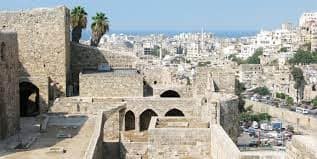







Libya
Explore the captivating landscapes of Libya with Varioline Traveller TRAVELS AND TOURS:
Libya is a destination filled with captivating landscapes and rich cultural heritage, making it a must-visit for any avid traveler. With Varioline Traveller Travels and Tours, you can embark on a journey to explore the stunning deserts, ancient ruins, and vibrant cities of Libya luxuriously and seamlessly. Our experienced guides and top-notch accommodations ensure that your trip to Libya is nothing short of extraordinary.
From the golden sands of the Sahara Desert to the ancient Roman ruins of Leptis Magna, our expertly curated tours offer an in-depth exploration of Libya's hidden gems. Whether you're a history buff, nature lover, or simply seeking a unique travel experience, Varioline Traveller Travels and Tours is your gateway to discovering the beauty and wonders of Libya. Contact us today to book your next unforgettable adventure.
History of Libya
Ancient History
Libya's history dates back to ancient times, with evidence of prehistoric civilizations such as the Garamantes who inhabited the Sahara region. The area that is now Libya was part of various ancient empires, including the Phoenician, Carthaginian, Greek, and Roman empires. The Greek city-states of Cyrene, Apollonia, and Ptolemais were significant centers of culture and trade.
Islamic and Ottoman Periods
In the 7th century, Arab Islamic forces conquered Libya, introducing Islam and Arabic culture, which significantly shaped the region’s identity. The area was later incorporated into the Ottoman Empire in the 16th century, remaining under Ottoman control for over three centuries. During this period, Libya became a center for trade and piracy in the Mediterranean.
Italian Colonization
In 1911, Italy invaded and colonized Libya, facing strong resistance from the indigenous population, especially from the Sanusi Order in Cyrenaica. The Italian occupation led to significant infrastructure development but also harsh repression and displacement of Libyans.
Independence and Modern Era
Libya gained independence on December 24, 1951, becoming the United Kingdom of Libya under King Idris I. The discovery of oil in the 1950s transformed Libya's economy, bringing wealth but also social and political changes. In 1969, a coup led by Colonel Muammar Gaddafi overthrew King Idris, and Gaddafi established an authoritarian regime that lasted until 2011. The 2011 Libyan Civil War resulted in Gaddafi's ouster and subsequent death. Since then, Libya has faced ongoing conflict and political instability, with efforts toward establishing a stable government continuing.
Cultural Heritage:
Language and Literature
Arabic is the official language of Libya, with Berber languages also spoken by the indigenous Berber populations. Libyan literature has roots in both Arab and Berber traditions, with modern Libyan writers like Ibrahim al-Koni and Hisham Matar gaining international recognition. Oral traditions, including poetry and storytelling, remain vital aspects of Libyan cultural heritage.
Music and Dance
Libyan music is diverse, reflecting its Arab, Berber, and African influences. Traditional music includes the use of instruments such as the oud (a stringed instrument), darbuka (a type of drum), and the mizwad (a type of bagpipe). Folk dances are often performed during weddings and festivals, with each region having its distinct styles.
Art and Crafts
Libyan art includes traditional crafts like weaving, pottery, and jewelry-making, which are often used to produce everyday items and decorative pieces. The Tuareg people are known for their distinctive silver jewelry and leatherwork. Contemporary Libyan artists have also made significant contributions to painting and sculpture, often reflecting the country's complex history and current struggles.
Festivals and Celebrations
Libya celebrates various national and religious holidays. Independence Day on December 24th and Revolution Day on February 17th are significant national holidays. Religious festivals like Eid al-Fitr and Eid al-Adha are celebrated with feasts, prayers, and communal gatherings. Cultural festivals often feature traditional music, dance, and crafts.
Living Style of People
Urban vs. Rural Life
Libya’s population is split between urban and rural areas, with significant differences in lifestyle. Urban areas like Tripoli and Benghazi are more modern, with access to amenities such as education, healthcare, and entertainment. Urban residents are often employed in diverse professions, including business, government, and services.
Rural life in Libya is more traditional, with communities engaged in agriculture, livestock herding, and artisanal crafts. Housing in rural areas often consists of simple, mud-brick homes, and life revolves around family and community activities.
Social Structure
Libyan society is characterized by strong tribal affiliations and extended family networks. Respect for elders and communal solidarity are core values. Tribal leaders and elders often play significant roles in mediating disputes and maintaining social order, particularly in rural areas.
Clothing
Traditional clothing in Libya includes garments like the djellaba (a long, loose-fitting robe), often worn by both men and women and the burnous (a hooded cloak), typically worn by men. Women may also wear the hijab (headscarf) and abaya (a loose-fitting dress). In urban areas, Western-style clothing is also common, reflecting the influence of global fashion trends.
Atmosphere:
Climate
Libya's climate is predominantly arid and desert-like, with hot summers and mild winters. Coastal regions enjoy a Mediterranean climate with more moderate temperatures and occasional rainfall. The interior, including the vast Sahara Desert, experiences extreme temperatures and very little precipitation.
Natural Environment
Libya's landscape is dominated by the Sahara Desert, featuring vast sand dunes, rocky plateaus, and oases. The coastal plain along the Mediterranean Sea offers fertile land for agriculture and scenic beauty. The country's natural environment supports a variety of flora and fauna, particularly in the more temperate coastal regions.
Most Attractive Places:
Tripoli
Tripoli, the capital city of Libya, is a vibrant and bustling hub of cultural and historical significance. As visitors wander through the ancient medina, they can get lost in its labyrinthine streets, filled with charming shops, bustling markets, and lively cafes. Exploring the medina gives tourists a glimpse into the city's rich history and traditions. One of the must-visit landmarks in Tripoli is the Red Castle Museum, also known as Assaraya Alhamra, which stands as a symbol of Libya's past glory. This museum houses a fascinating collection of artifacts and exhibits that showcase the country's history from ancient times to the present day. Visitors can learn about the diverse cultures that have shaped Libya over the centuries and gain a deeper understanding of the country's unique heritage. Tripoli truly offers a captivating blend of old-world charm and modern sophistication, making it a must-visit destination for anyone seeking to immerse themselves in Libya's rich cultural tapestry.
Leptis Magna
Leptis Magna, located on the coast of modern-day Libya, is a remarkable testament to the grandeur and sophistication of Roman civilization. The Arch of Septimius Severus, a triumphal monument dedicated to the emperor who was born in the city, stands as a magnificent entryway to the ancient city. The Hadrianic Baths, with their intricate mosaic floors and intricate marble columns, provide a glimpse into the luxurious lifestyle of the Romans. The Roman Theater, with its well-preserved seating arrangements and stage, allows visitors to imagine the vibrant performances that once took place there. Walking through the ruins of Leptis Magna is like stepping back in time, with each crumbling wall and intricately carved column telling a story of an ancient world that once thrived in this coastal city. Its designation as a UNESCO World Heritage site ensures that the legacy of Leptis Magna will be preserved for future generations to admire and study.
Cyrene
Cyrene, situated in modern-day Libya, is a monument to the rich history of ancient Greece and Rome. As one of UNESCO's World Heritage sites, it stands as a testament to the enduring legacy of these great civilizations. The ruins of Cyrene encompass a variety of structures, such as the majestic Temple of Zeus, the sacred Temple of Apollo, and the grand Greek Theater. These architectural marvels provide a glimpse into the sophisticated society and advanced engineering skills of the people who inhabited the city centuries ago. Exploring Cyrene's archaeological remains offers a profound opportunity to immerse oneself in the classical cultures that once flourished in the region, evoking a sense of wonder and admiration for the achievements of the past. Each stone and pillar tells a story of the vibrant and prosperous city that it once was, a place where art, philosophy, and science thrived in harmony. A visit to Cyrene is not just a journey through time but a chance to connect with the ancient world and appreciate the enduring beauty and ingenuity of those who came before us.
Ghadames
Located amid the Libyan desert, Ghadames has been inhabited for over 3,000 years and its architecture reflects the town's long history and cultural significance. The traditional homes in the old town are connected by narrow alleyways, creating a labyrinth-like maze that is both stunning and functional. Visitors can wander through the streets, admiring the intricate designs of the buildings and learning about the ancient building techniques that have allowed the town to thrive in such a harsh environment. The town's cultural heritage is also evident in its vibrant marketplaces, where locals sell handmade crafts, spices, and traditional clothing. Ghadames is not just a beautiful destination, but a living testament to the resilience and creativity of the Berber people who have called this oasis town home for centuries.
The Sahara Desert
The Libyan Sahara is truly a mesmerizing destination for those seeking the beauty of untouched desert landscapes. The Ubari Sand Sea, with its vast expanse of golden dunes stretching as far as the eye can see, is a sight to behold. The Tadrart Acacus, on the other hand, offers a stark contrast with its rugged and rocky plateaus that create a unique and striking backdrop. Both of these areas provide an ideal setting for adventure tourism activities, where visitors can embark on camel trekking excursions, thrilling 4x4 expeditions through the sandy terrain, and take the time to explore the ancient rock art that adorns the cliffs. The rich cultural history of the region adds another layer of intrigue for travelers looking to delve deeper into the mysteries of the desert. Overall, the Libyan Sahara is a place where adventure, beauty, and history converge to create an unforgettable experience for those willing to explore its wonders.
Benghazi
In addition to its historical and cultural sites, Benghazi also offers a variety of restaurants, cafes, and shops where visitors can experience the local cuisine and purchase traditional crafts and souvenirs. The city is known for its bustling nightlife, with many bars and clubs offering live music and entertainment. With its beautiful beaches and warm Mediterranean climate, Benghazi is a popular destination for both tourists and locals looking to relax and enjoy the vibrant atmosphere of this dynamic city.
Explore Exceptional Airfare Offers to Libya with Varioline Traveller Travel and Tours
Varioline Traveller Travel and Tours is delighted to present exclusive airfare offers to Libya for our esteemed clients. As a premier travel agency, we strive to provide exceptional services and lucrative deals to ensure that our customers have a seamless and unforgettable travel experience.
With our meticulously curated packages, you can explore the beautiful landscapes, rich history, and vibrant culture of Libya at competitive prices. Our team of experienced professionals is dedicated to ensuring that your journey is convenient, safe, and memorable.
Contact Varioline Traveller Travel and Tours today to take advantage of these outstanding airfare offers and embark on a remarkable journey to Libya. Experience the beauty and charm of this historical destination with the expertise and quality service that only Varioline Traveller Travel and Tours can provide.
Just follow us on social media, where stories unfold,
Stay with us for moments worth their weight in gold.









SCAN ME

With SECP and FBR registrations, we bring unparalleled expertise to every journey.
Call UsRepresentatives working worldwide ensure a seamless experience wherever you go.
Call UsCustomized tours for Pharmaceuticals, Home Appliances, and Pesticides industries.
Call UsCzech Republic 2-Year Employee Card


Czech Employer Card For 2 Years. Call Us Now for More Details