










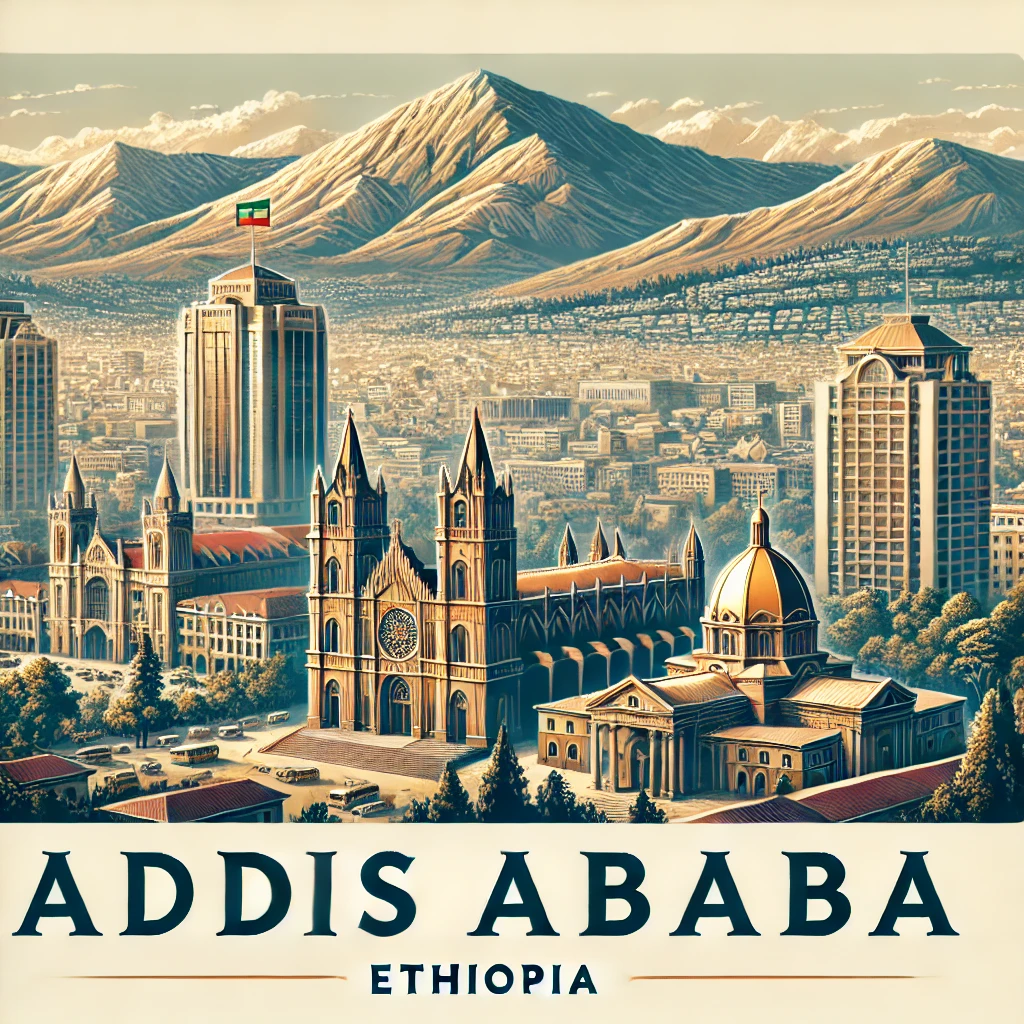
Cheap Flights To Addis Ababa | Compare Addis Ababa Flights
View CityClick MeView City
ETHIOPIA
Discover the Rich Culture and Natural Beauty of Ethiopia with Varioline Traveller Travel and Tours.
Varioline Traveller Travel and Tours is the perfect choice for anyone seeking to uncover the unique wonders of Ethiopia. Our team of experienced professionals is dedicated to providing unforgettable experiences for every traveler. From exploring ancient historical sites like Lalibela, a UNESCO World Heritage site known for its rock-hewn churches, to trekking through the breathtaking Simien Mountains, renowned for their stunning landscapes and diverse wildlife, we offer a range of exciting opportunities to immerse yourself in the rich culture and beauty of Ethiopia. Join us as we embark on a journey to discover the hidden treasures and vibrant traditions of this fascinating country. With Varioline Traveller Travel and Tours, you can be sure that your trip will be both informative and enjoyable, creating memories that will last a lifetime.
History
Ethiopia's history is as rich as it is complex, with evidence of human habitation dating back millions of years. The region has been home to numerous civilizations, including the ancient Axumite Empire, which rose to prominence in the first millennium BCE.
One of the most significant chapters in Ethiopia's history was its conversion to Christianity in the 4th century CE, making it one of the oldest Christian nations in the world. Over the centuries, Ethiopia was ruled by various dynasties, including the Solomonic dynasty, which claimed descent from the biblical King Solomon and the Queen of Sheba.
In the 19th century, Ethiopia successfully resisted European colonization, earning a reputation as a symbol of African independence and resistance. Despite challenges such as famine, war, and political unrest, Ethiopia has remained a beacon of hope and resilience for the continent.
Climate
Ethiopia's climate varies depending on altitude and location, with diverse climatic zones ranging from tropical savanna to desert and highland temperate regions.
Highland Plateau:
The central and northern highlands enjoy a temperate climate, with mild temperatures and moderate rainfall. Addis Ababa, the capital city, has a pleasant climate year-round, with temperatures averaging around 20°C (68°F).
Rift Valley:
The Rift Valley region experiences a warm and dry climate, with temperatures often exceeding 30°C (86°F) during the day. This region is known for its stunning landscapes, including lakes, hot springs, and volcanic peaks.
Lowland Areas:
Lowland regions such as the Danakil Depression in the northeast have a hot and arid climate, with temperatures soaring above 40°C (104°F) and minimal rainfall.
Education
Education is a priority in Ethiopia, with efforts being made to expand access to schooling and promote literacy across the country. The government has implemented policies to improve the quality of education and increase enrollment rates, particularly in rural areas.
Ethiopia's education system comprises primary, secondary, and tertiary levels, with both public and private institutions offering a range of programs and courses. Efforts are also underway to enhance vocational training and technical education to meet the needs of the workforce and promote economic development.
Historical Regions
Ethiopia is divided into nine ethnically-based regional states and two chartered cities, each with its own unique history, culture, and attractions:
Tigray: Known for its ancient rock-hewn churches, monasteries, and rugged landscapes.
Afar: Home to the Danakil Depression, one of the hottest and most inhospitable places on Earth.
Amhara: The heartland of ancient Ethiopian civilization, with historic sites such as Lalibela and Gondar.
Oromia: The largest and most populous region, known for its diverse culture, traditions, and natural beauty.
Somali: Located in the east, known for its nomadic pastoralist lifestyle and unique cultural heritage.
Southern Nations, Nationalities, and Peoples' Region (SNNPR): Rich in biodiversity, with lush forests, waterfalls, and national parks.
Benishangul-Gumuz: Home to the Blue Nile Falls and the Semien Mountains National Park.
Gambela: Known for its diverse ethnic groups, wildlife, and natural resources.
Harari: The historic walled city of Harar, known for its Islamic heritage and colorful markets.
Addis Ababa: The capital city, known for its cosmopolitan atmosphere, historic landmarks, and vibrant culture.
Dire Dawa: A bustling commercial hub with a rich multicultural heritage.
Cultural Life
Ethiopia's cultural life is as diverse as its landscapes, with a rich tapestry of traditions, languages, and customs reflecting the country's long history and multicultural heritage.
Music and Dance:
Traditional Ethiopian music is characterized by its distinctive rhythms and melodies, often accompanied by traditional instruments such as the masenqo (a stringed instrument) and the krar (a lyre-like instrument). Ethiopian dance is also an integral part of cultural celebrations and ceremonies, with each region having its own unique styles and movements.
Cuisine:
Ethiopian cuisine is renowned for its bold flavors, aromatic spices, and communal dining tradition. Staple foods include injera (a sourdough flatbread) served with a variety of spicy stews, known as wats, and vegetable dishes. Coffee also holds a special place in Ethiopian culture, with traditional coffee ceremonies being a common social ritual.
Festivals and Celebrations:
Ethiopia is known for its colorful festivals and religious celebrations, including Timkat (Epiphany), Meskel (Finding of the True Cross), and the Ethiopian New Year, known as Enkutatash. These festivals are marked by processions, feasting, music, and dance, bringing communities together in celebration and unity.
Geographical History
Ethiopia's geographical history is shaped by its unique position at the intersection of the African, Arabian, and Somali tectonic plates, resulting in diverse landscapes, geological formations, and natural wonders.
Rift Valley:
Ethiopia is part of the Great Rift Valley, a geological feature that stretches from the Middle East to Mozambique. The Rift Valley is characterized by deep gorges, lakes, and volcanic peaks, including the Danakil Depression and the Afar Triangle.
Highlands:
The Ethiopian Highlands are a rugged mountainous region covering much of the central and northern parts of the country. The highlands are home to fertile plateaus, deep valleys, and towering peaks, including Ras Dashen, the highest mountain in Ethiopia.
Great Rift Valley Lakes:
Ethiopia is home to several stunning lakes within the Rift Valley, including Lake Tana, the largest lake in Ethiopia and the source of the Blue Nile River, and Lake Abiyata-Shala, a UNESCO Biosphere Reserve known for its birdlife and hot springs.
Deserts:
Ethiopia is home to the Danakil Depression, one of the hottest and lowest places on Earth, known for its otherworldly landscapes, salt flats, and volcanic activity.
Top Attractive Places:
Ethiopia boasts a wealth of attractions for travelers to explore, including:
Lalibela:
Known as the "New Jerusalem," Lalibela is home to a complex of 11 rock-hewn churches carved out of solid rock in the 12th century, a UNESCO World Heritage Site and one of Ethiopia's holiest pilgrimage sites.
Simien Mountains National Park:
A UNESCO World Heritage Site, the Simien Mountains are known for their dramatic landscapes, towering peaks, and endemic wildlife, including the Ethiopian wolf and the gelada baboon.
Axum:
The ancient city of Axum was once the capital of the Axumite Empire and is home to historic sites such as the Stelae Field, the Church of St. Mary of Zion, and the Queen of Sheba's Palace.
Gondar:
Known as the "Camelot of Africa," Gondar is famous for its royal castles, medieval churches, and rich history as the former capital of Ethiopia.
Danakil Depression:
One of the hottest and most inhospitable places on Earth, the Danakil Depression is known for its colorful salt flats, sulfur springs, and active volcanoes, including Erta Ale, home to one of the world's only continuously active lava lakes.
Harar:
The walled city of Harar is a UNESCO World Heritage Site and one of Ethiopia's holiest Muslim cities, known for its narrow alleyways, historic mosques, and vibrant markets.
Lake Tana:
The largest lake in Ethiopia, Lake Tana is the source of the Blue Nile River and is home to historic monasteries, lush islands, and diverse birdlife.
Economical Flight Options to Ethiopia Presented by Varioline Traveller Travel and Tours
Varioline Traveller Travel and Tours is thrilled to offer economical flight options to Ethiopia. With our exclusive partnerships with major airlines, we can provide our customers with competitive pricing without compromising on quality. Whether you are planning a business trip or a leisurely vacation to Ethiopia, Varioline Traveller Travel and Tours has you covered.
Our team of experienced travel specialists will work closely with you to find the best flight options that fit your budget and schedule. We understand the importance of cost-effective travel and aim to provide our customers with the best value for their money. Trust Varioline Traveller Travel and Tours to handle all your travel needs to Ethiopia with professionalism and expertise.
Just follow us on social media, where stories unfold,
Stay with us for moments worth their weight in gold.









SCAN ME

With SECP and FBR registrations, we bring unparalleled expertise to every journey.
Call UsRepresentatives working worldwide ensure a seamless experience wherever you go.
Call UsCustomized tours for Pharmaceuticals, Home Appliances, and Pesticides industries.
Call UsCzech Republic 2-Year Employee Card


Czech Employer Card For 2 Years. Call Us Now for More Details